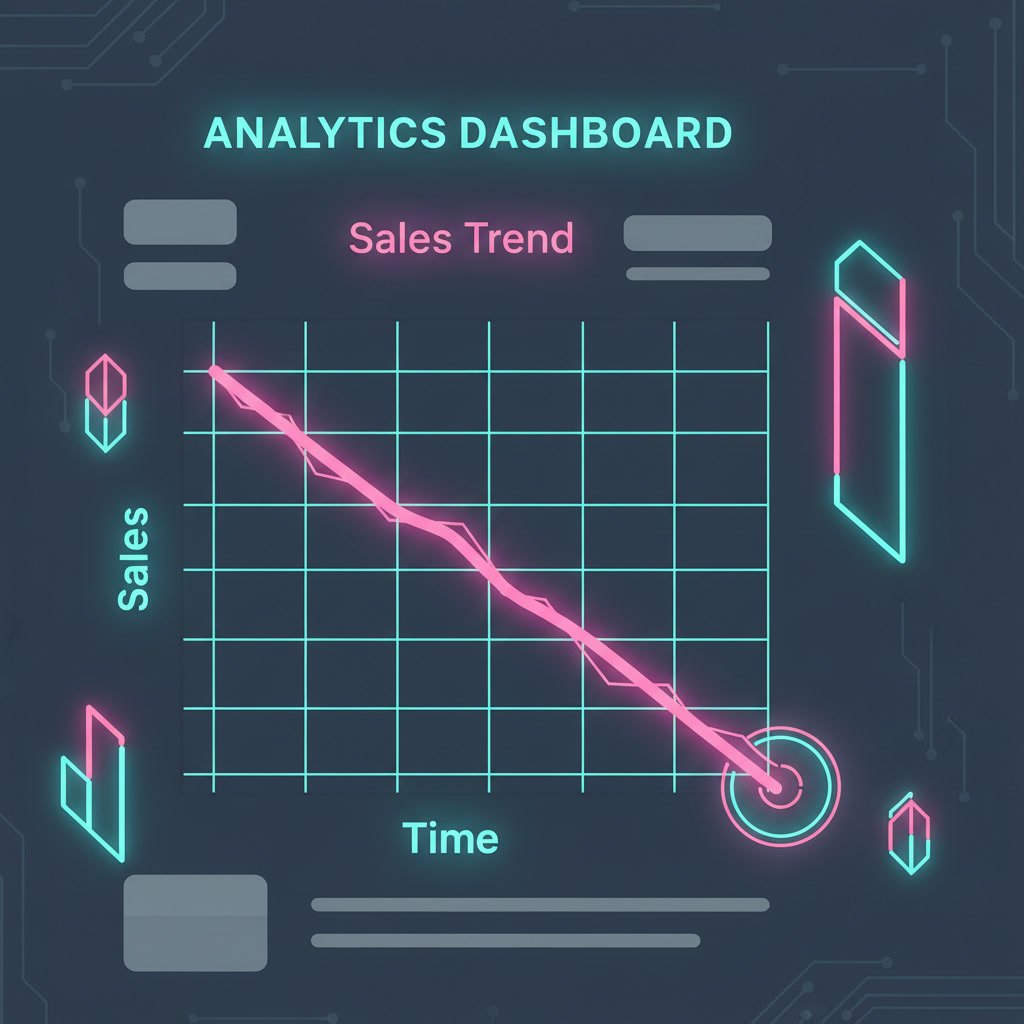
Why Most Digital Products Fail (And How to Sell Yours Successfully)
Many starting solo-entrepreneurs enter the world of digital product creation hoping to generate cash quickly or build passive income. Often inspired by YouTube videos or social media influencers, they dive in — but few actually succeed or stay long enough to see real results. In this post, we break down why most fail, and how you can position yourself to attract more sales and win in this game.

What Is a Digital Product?
A digital product is any product with no physical form, sold online. It requires no inventory and can generate profit over time with no definite lifespan. Examples include ebooks, courses, templates, software, printables, or membership content. These products are low-cost to produce, easy to promote and store, infinitely scalable, and hold massive potential for passive income.
But that’s only if you can get people to buy them — and that’s where most creators hit a wall.
Why It Matters in 2025
The digital product market continues to boom, projected to reach $457.8 billion by 2026 (Statista). But with this explosive growth comes heavy competition. Thousands of new products launch daily on platforms like Gumroad, Etsy, and Shopify. The bar for quality, trust, and marketing has never been higher.
To succeed, you need more than just great content. You need a strategy that builds trust, creates demand, and turns skeptics into superfans.
Knowing your market, customers, and competitors is key to success in any niche you choose.

Why Most Digital Products Fail?
Here are the 5 main reasons digital products flop — and what to do instead:
- No Real Problem Solved
Most creators focus on what they want to make, not what their audience needs. If your product doesn’t solve a painful or urgent problem, it won’t sell.
Instead: Start with audience research. Use forums, surveys, Reddit, and Facebook groups to find burning questions. Build your product around solving one clear, valuable problem. - Lack of Trust or Authority
People won’t buy from someone they just met online. Without social proof, credibility, or a personal story, your product looks risky.
Instead: Share your personal journey. Be honest. Even failures help build authenticity and trust. - Poor Positioning and Messaging
Vague promises like “make money online” or “grow your Instagram” don’t stand out. If you can’t clearly say who your product is for and what it delivers, it’ll be ignored.
Instead: Be specific. Turn “grow your Instagram” into “Get your first 1,000 followers in 30 days using Reels.” - No Built-In Traffic Strategy
Creating the product is the easy part. Getting eyes on it is where most struggle.
Instead: Build a simple traffic strategy before launch. Use content like YouTube Shorts, SEO blog posts, Pinterest pins, or social media threads that drive people to your offer. - No Funnel or Follow-Up
Selling a product without a funnel is like proposing marriage on the first date. You need a system to build trust and nurture leads.
Instead: Use lead magnets, email sequences, and low-ticket offers to guide people toward your main product.
How to Sell Your Digital Product Successfully (In 5 Steps)
- Identify a Niche Problem You Can Solve Authentically
Look for a specific group of people you can genuinely help. Your past struggles, skills, or experiences are often the best foundation. You could target small businesses with growing pains, or solve everyday problems via digital guides. - Validate Before You Build
Don’t guess. Run polls, pre-sell, or release a beta version to test interest before going all in. - Build in Public to Grow Trust
Share your creation process. Talk about lessons learned. Let people see behind the scenes — it creates transparency and anticipation. - Launch with a Mini-Funnel
Don’t just launch and hope. Try this simple funnel:- Free lead magnet
- Welcome email + value sequence
- Product pitch with a deadline or bonus
- Follow-up emails for non-buyers
- Keep Improving and Listening
Your product should evolve. Listen to feedback. Add bonuses. Update messaging. Stay aligned with what your audience wants.
FAQs
Q: How do I price my digital product?
Start with the value you’re offering. If your product solves a $1,000 problem, pricing it at $47, $97, or more is reasonable. For starters, aim for $17–$27, then scale up as you gain traction.
Q: Can I succeed without a big following?
Absolutely. Many creators succeed with small but loyal audiences. Use email lists, YouTube Shorts, or Threads to promote your store.
Q: How do I know what people want to buy?
Look for patterns in online questions, blog comments, or niche forums. Offer a freebie to gauge interest.
Q: Should I use AI to help create my product?
Yes — if used wisely. Use AI for ideas, outlines, or basic content. But always add your personal insight. That’s what makes your product stand out.
AI Prompt
Act as a digital product strategist. What would you recommend for a creator who helps beginner photographers sell Lightroom presets?
Most digital product failures stem from a lack of strategy — not lack of talent. Focus on trust, clarity, and solving real problems, and you can turn your digital product into a long-term asset. Want help building your own funnel? Join my free email list for more step-by-step strategies.
